Become a Confident Whitewater Kayaker!

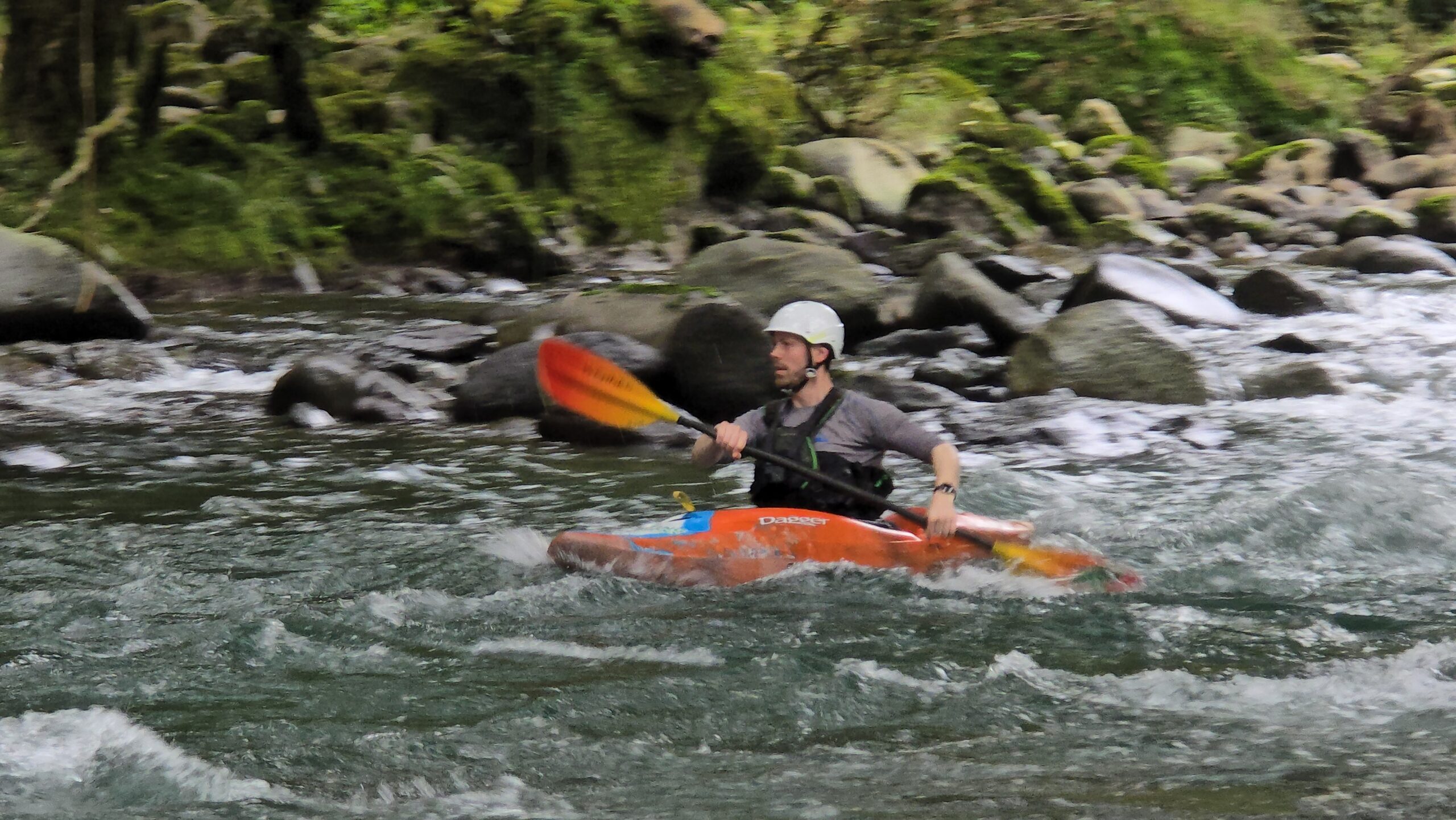
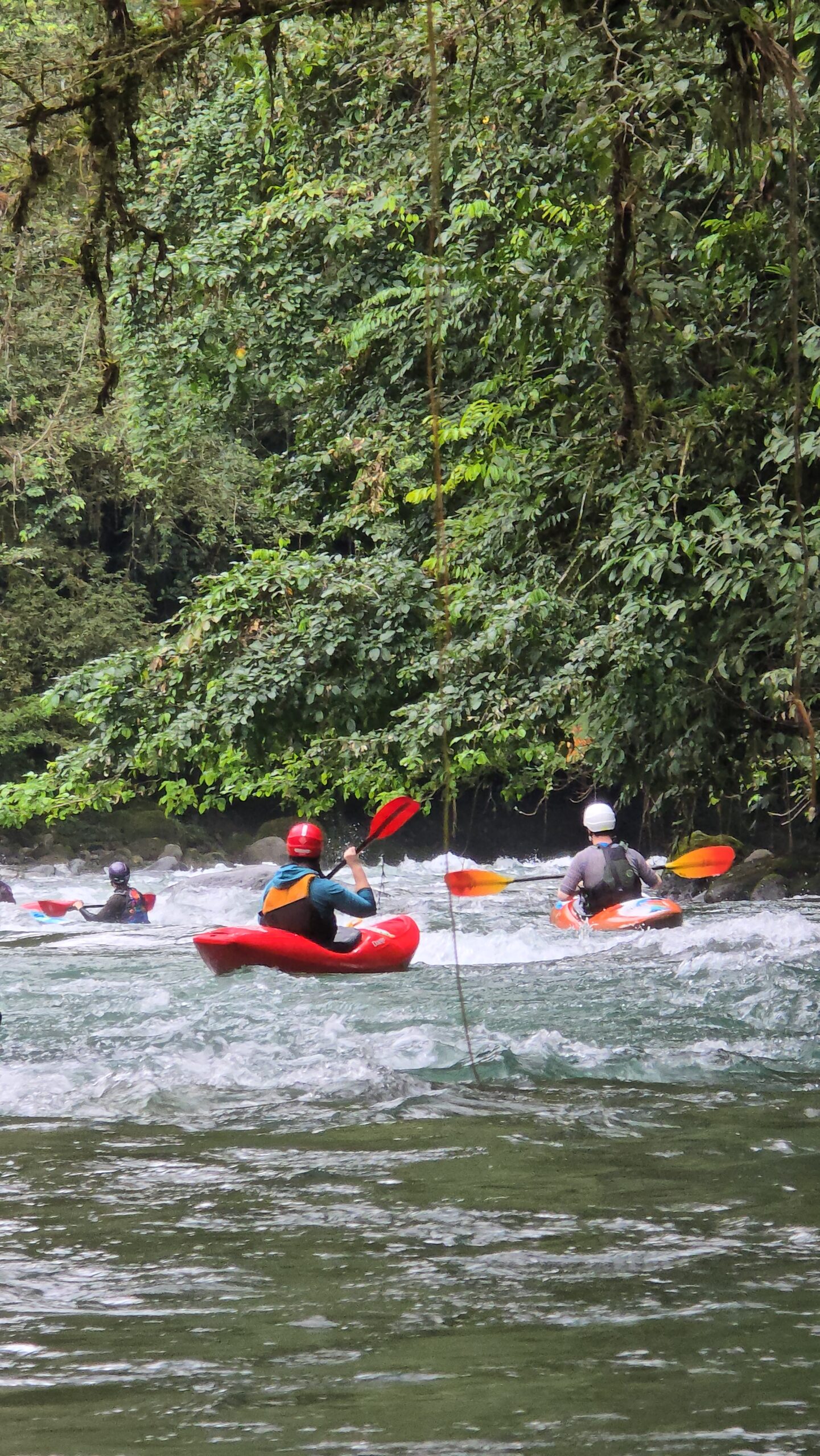
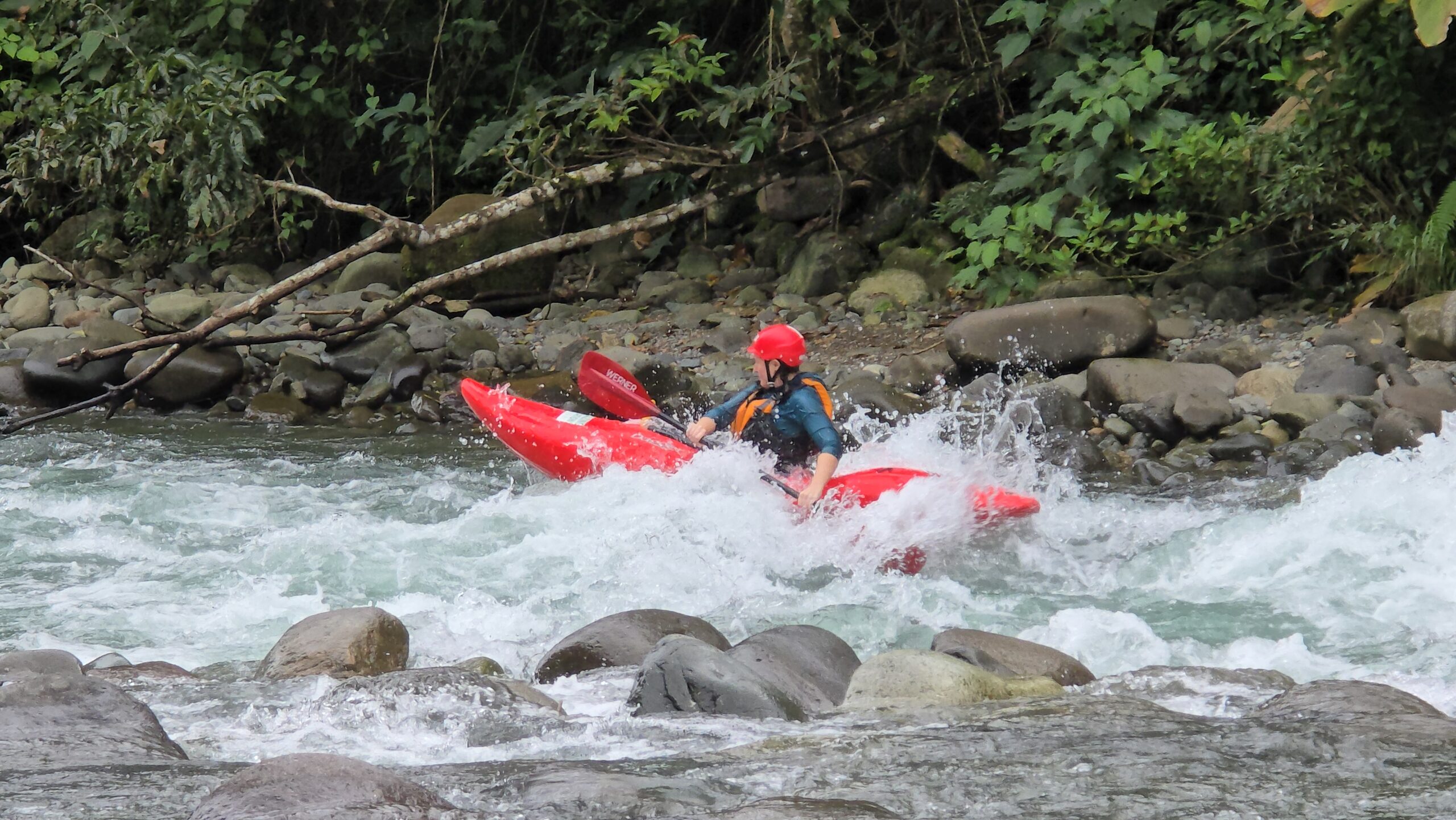
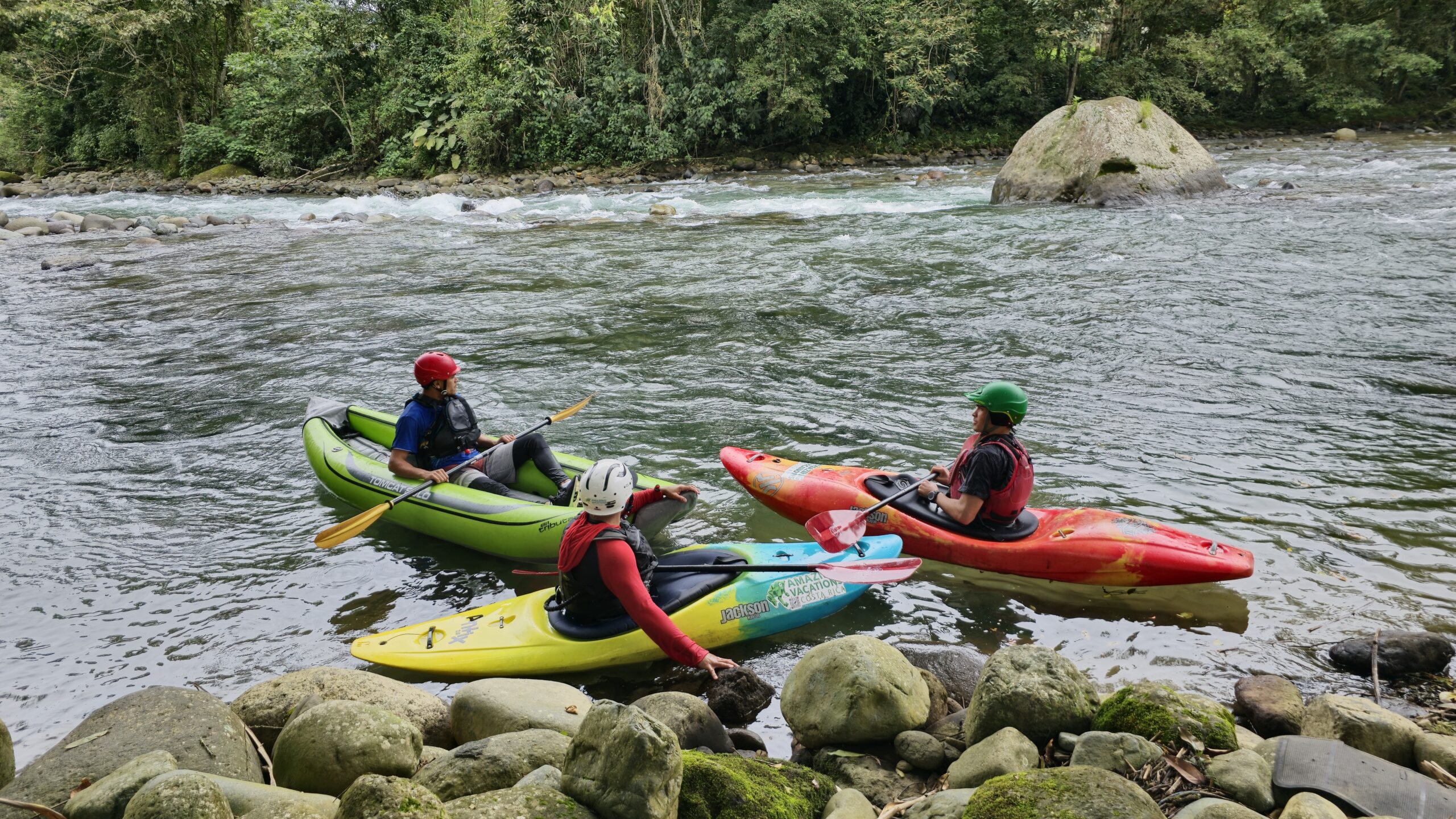
Join our Level 4 Whitewater Kayaking Course and develop advanced paddling skills, river reading techniques, and self-rescue strategies for Class II-III rapids. Whether you’re refining your technique or seeking adventure on moving water, this workshop will elevate your kayaking skills!

Whitewater Kayak Skills Workshop

This lesson plan zeroes in on kayaking techniques, paddling dynamics, and rescue strategies, ensuring participants develop strong skills for navigating Class I- II-III rapids confidently.

Difficulty

Beginner to Intermediate

Duration

8 hours

Locations

Pacuare
&
Pejivalle Rivers

Module 1: Kayak Equipment & Outfitting

  • Objective: Introduce paddlers to kayak types, outfitting strategies, and safety equipment for better control and performance.
  • Key Activities:
    • Overview of kayak materials, hull shapes & outfitting for different paddling styles
    • Proper PFD & helmet fitting for maximum protection
    • Paddle selection based on length, blade shape, and stroke efficiency
    • Spray skirt handling: fit, comfort, and emergency removal techniques
  • Assessment:  Participants adjust & test their kayak outfitting for control. Demonstration of spray skirt removal under water

Module 2: Stroke Mechanics & Paddling Efficiency

  • Objective: Teach paddlers to execute essential strokes and movement techniques to navigate rapids effectively.
  • Key Activities:
    • Hands-on forward stroke refinement for power & precision
    • Sweeps & draws for turning, bracing, and side-slipping
    • Biomechanics of torso rotation & avoiding shoulder injuries
    • Maneuver drills in flatwater before progressing to moving water
  • Assessment: Participants demonstrate clean turns and stops. Evaluation of stroke efficiency in varied conditions

Module 3: Whitewater Maneuvers & River Reading

  • Objective: Equip paddlers with the ability to read the river, maneuver efficiently, and make quick adjustments in dynamic water.
  • Key Activities:
    • Peel-outs & eddy turns for river positioning
    • Ferries to cross current without losing control
    • Surfing techniques for stability in wave trains
    • Rapid analysis: choosing the best line and avoiding hazards
  • Assessment:  Participants successfully ferry across current without capsizing. Real-time analysis of wave trains & hydraulics

Module 4: Kayak-Based Rescues & Recovery Techniques

  • Objective: Teach paddlers how to self-rescue, assist fellow paddlers, and manage emergency situations.
  • Key Activities:
    • Calm exit techniques from capsized kayaks
    • Kayak bumping & swimmer recovery without losing control
    • Rescuing pinned boats & lost paddles effectively
    • Swimmer re-entry strategies: stern entry, rescue sling, paddle float

Assessment:  Participants execute a controlled exit & re-entry drill. Team-based swimmer recovery exercise